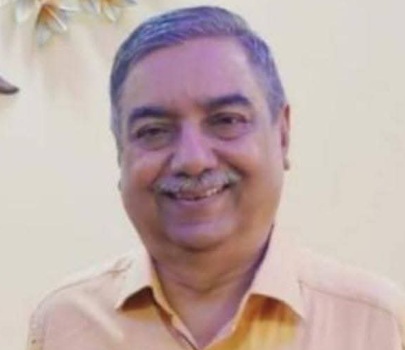
If you have been unwell for years — fatigued, inflamed, or chronically ill — your body may be carrying a burden of accumulated toxins (Ama) that medicines alone cannot reach. Panchakarma is Ayurveda's most powerful purification system. Dr. Laxmidutta Shukla has practised classical Panchakarma for over 40 years.
The word Panchakarma means "five actions" — five classical purification procedures described in Charaka Samhita and Sushruta Samhita that systematically eliminate accumulated toxins (Ama) from the body's deepest tissues. Unlike general herbal treatment, Panchakarma works at the level of the Dhatus (body tissues) and Srotas (channels) — reaching what oral medicines cannot.
In Ayurvedic physiology, disease begins with the accumulation of Ama — undigested metabolic waste — in the channels of the body. Over months and years, this Ama lodges in tissues, disrupts dosha balance, and creates the conditions for chronic illness. Panchakarma's five procedures progressively mobilise, channel, and eliminate this accumulated burden.
Critically, Panchakarma at Rishi Ayurvedics is not a spa treatment — it is a clinical protocol. Dr. Shukla's 40+ years of experience means that the right procedures are selected, sequenced, and dosed precisely for each patient's condition, stage of illness, and physical capacity.
Panchakarma is indicated for chronic conditions that have not responded adequately to medicines alone — including persistent skin disorders, metabolic diseases, respiratory conditions, neurological complaints, and general fatigue and degeneration. It is also used as a powerful annual rejuvenation for healthy patients who want to reset and restore optimal function.
Vamana (emesis) for Kapha disorders · Virechana (purgation) for Pitta disorders · Basti (medicated enema) for Vata disorders · Nasya (nasal administration) for head and neck conditions · Raktamokshana (bloodletting) for blood disorders. Each addresses a different pathway of elimination.
Panchakarma is never performed without preparation. Snehana (internal oleation with medicated ghee) and Swedana (therapeutic steam) are conducted first to liquefy and mobilise Ama from deep tissues into the digestive tract — from where the main procedures eliminate them.
Equally important is the post-treatment phase — a structured dietary and lifestyle protocol that rebuilds Agni, consolidates the purification, and prevents re-accumulation of Ama. Dr. Shukla guides patients through this phase carefully to ensure the results of Panchakarma are lasting.
These are signs that Ama (toxic accumulation) has built up in your system to a level where herbal medicines alone may not be sufficient — and Panchakarma is indicated.
Every Panchakarma course at Rishi Ayurvedics begins with a thorough assessment and is completely personalised. The specific procedures selected, the duration of each, and the sequence depend entirely on the patient's condition, current health, Prakriti, and Vikruti (current imbalance).
Depending on the condition, a Panchakarma course may run from 7 to 21 days. Some procedures can be done on an outpatient basis (visiting the clinic daily) while others may require modified daily routine at home.
Nadi Pariksha (pulse diagnosis), detailed Prakriti and Vikruti assessment, and review of current health reports. Dr. Shukla designs a complete personalised protocol — specifying which of the five Panchakarma procedures are appropriate and in what sequence.
Medicated ghee (Ghrita) is administered in progressively increasing doses over 3–7 days. This liquefies deep-seated Ama, lubricates the channels, and moves toxins from the peripheral tissues back into the digestive tract in preparation for elimination.
Medicated steam therapy induces controlled sweating, opens the channels (Srotas), further mobilises Ama, and prepares the body for the main purification procedure. Often performed immediately before the main Panchakarma procedure.
The primary procedure — Vamana, Virechana, or Basti — is administered based on the individual protocol. For most patients, Virechana (purgation) or Basti (enema) is the central procedure. Each is performed under careful clinical supervision.
A structured re-introduction of food over 3–7 days following the main procedure — beginning with warm liquids and progressing to normal diet. This phase rebuilds Agni and ensures the body absorbs the benefit of the purification without re-accumulating Ama.
Medicines work on symptoms. Panchakarma works on the environment that created them — clearing the ground so the body can heal itself.
No herbal medicine, however potent, can reach Ama lodged in the Dhatus (deep tissues). Only Panchakarma's systematic mobilisation and elimination process can extract this level of accumulated toxicity.
Weak Agni is the root of most chronic disease in Ayurveda. Panchakarma — particularly Virechana and Basti — rekindles Agni from its root, restoring the body's metabolic power and preventing future accumulation.
When doshas are chronically aggravated, oral medicines provide only partial and temporary relief. Panchakarma physically removes the excess dosha from the system — restoring balance at a level medicines cannot reach.
Patients consistently report that conditions improve more deeply after Panchakarma than with medicines alone — and that the results persist. Because the root cause (Ama + imbalanced doshas) has been addressed, not just suppressed.
You don't need a referral or a long form. Simply send a WhatsApp message mentioning your condition and we will confirm your appointment — usually within the hour during clinic hours.
WhatsApp to Book NowOpen 7 days · Responds within the hour during clinic hours
Dr. Shukla treats a wide range of chronic and acute conditions using classical Ayurvedic protocols.